
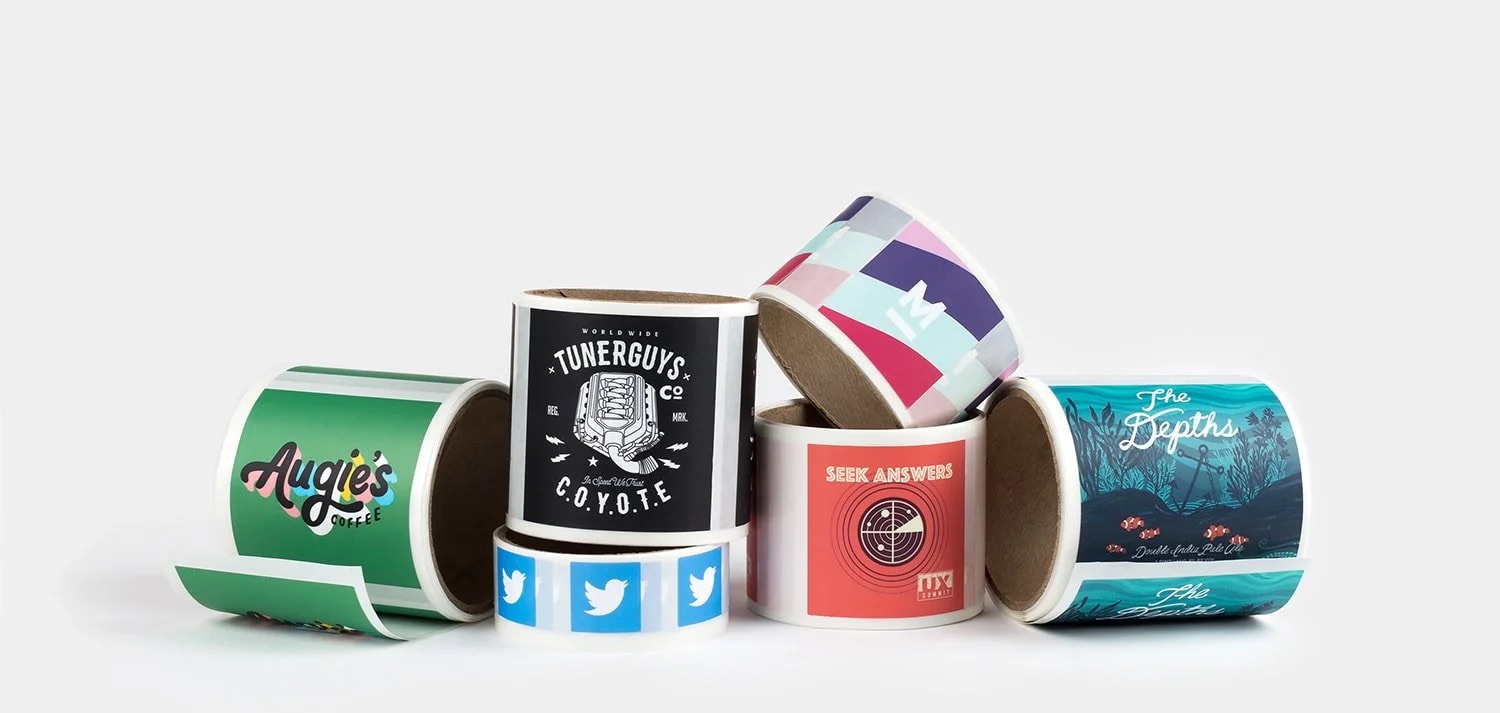
When it comes to product packaging, the label material matters just as much as the design. A common decision is BOPP versus paper—and the right choice depends on your product, its environment, and the look you want to create.
What is BOPP?
BOPP stands for biaxially oriented polypropylene. It is a plastic film stretched in two directions during manufacturing, giving it excellent clarity, flexibility, and tear resistance.
- Waterproof and oil-resistant: ideal for products that may get wet or messy.
- UV- and fade-resistant: suitable for items exposed to sunlight.
- Highly durable: designed to withstand frequent handling and shipping.
Because of its durability and professional finish, BOPP is widely used for food packaging, beverage labels, cosmetics, cleaning products, and health-related items.
Why choose BOPP labels?
BOPP is a strong choice when you need a long-lasting label that maintains its color and appearance over time. It is particularly well suited for:
- Refrigerated or frozen products such as sauces, juices, and frozen meals.
- Bath and body products including lotions, shampoos, and scrubs.
- Outdoor or heavy-use items that require resistance to fading and tearing.
BOPP is also available in glossy and matte finishes, allowing it to deliver a smooth, premium appearance on the shelf.
When paper labels are the better option
Paper labels remain popular for their natural, tactile appearance and cost-effectiveness. They can be a good fit for:
- Artisanal or craft-focused brands where texture and an organic aesthetic matter.
- Short-term or seasonal products where extended durability is not necessary.
- Budget-conscious projects where cost per label is a primary consideration.
Paper is not naturally waterproof and may smudge, wrinkle, or fade when exposed to moisture, oils, or sunlight.
BOPP vs. paper labels: the bottom line
Choose BOPP when your product must withstand water, oil, sunlight, refrigeration, or frequent handling. Choose paper when the goal is a natural, handcrafted appearance for indoor or shorter-term use.
The best material is the one that supports both your brand and the environment in which the product will be used. Matching the label to those conditions helps your packaging look professional and perform reliably.
Have a project in mind?
Tell us what you’re printing, and we’ll take care of the rest.
Request a quote →